Top 10 Cars to Maximize Your FAVR Reimbursement in 2026
Not all vehicles are created equal under a FAVR program. We ranked the top 10 cars for 2026 based on depreciation rate, insurance tier, fuel economy, and IRS standard vehicle compatibility.
Published June 12, 2026. Updated June 12, 2026. By Kliks Editorial Team.
The best cars for maximizing FAVR reimbursement tend to combine low depreciation, strong fuel economy, reasonable insurance costs, and job-appropriate reliability. Vehicle choice matters because FAVR separates fixed ownership costs from variable operating costs.
Key takeaways
- Low-depreciation and fuel-efficient vehicles can help drivers keep more of their tax-free reimbursement as actual ownership costs stay below modeled costs.
- The right vehicle still needs to fit the employee's role, territory, climate, and cargo requirements.
- FAVR vehicle recommendations should be modeled with current local cost data, IRS rules, and advisor-reviewed policy assumptions.
If your company runs a FAVR (Fixed and Variable Rate) reimbursement program, the vehicle your drivers choose has a direct and measurable impact on how much they get reimbursed and how much of that reimbursement is tax-free. Under IRS Revenue Procedure 2019-46 and applicable annual IRS notices, FAVR programs use a standard vehicle and local cost inputs for depreciation, insurance, fuel, maintenance, registration, and related vehicle costs. The closer a driver's actual vehicle is to an efficient standard-vehicle profile, the more effectively they can capture the full FAVR allowance.
This guide ranks the top 10 vehicles for FAVR optimization in 2026, using five-year total cost of ownership data, IRS standard vehicle considerations, fuel economy, reliability, and insurance-tier assumptions. Each car is scored on four FAVR-relevant dimensions: depreciation rate, insurance tier, fuel efficiency, and maintenance reliability.
The countdown runs from #10 to #1: the single best vehicle for maximizing your FAVR reimbursement this year.
#10 - Honda HR-V
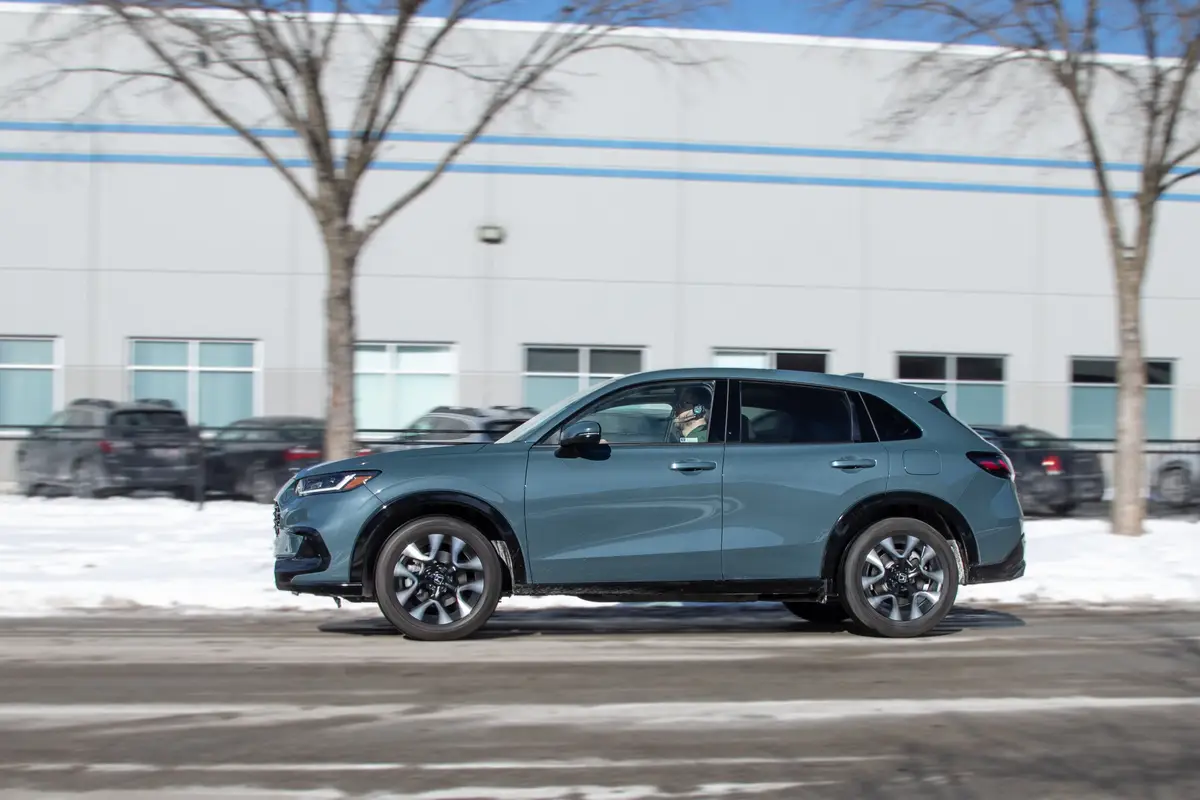
- Starting MSRP: $27,950
- 5-Year Depreciation: 27%
- 5-Year Total Cost of Ownership: $34,718
- Fuel Economy: 28 city / 34 hwy MPG
- FAVR Score: 7.2 / 10
The Honda HR-V rounds out the list as the only crossover SUV to crack the top 10. Its 27% five-year depreciation is competitive for the segment, and Honda's historically low insurance premiums keep the fixed-rate component manageable. Where it loses ground is fuel economy. At 28/34 MPG, it trails the sedans on this list, which directly reduces the variable-rate advantage for high-mileage drivers. For drivers who need the utility of a small SUV but still want FAVR efficiency, the HR-V is the best available option in the crossover category.
#9 - Toyota Corolla Sedan
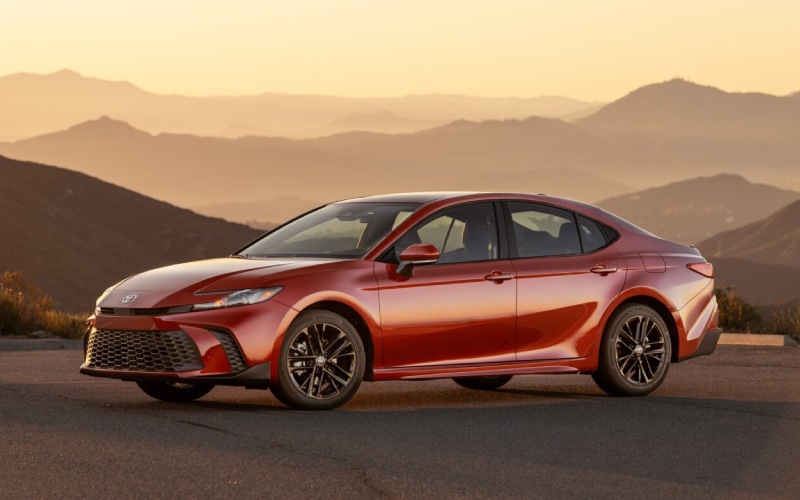
- Starting MSRP: $24,120
- 5-Year Depreciation: 26%
- 5-Year Total Cost of Ownership: $34,616
- Fuel Economy: 31 city / 40 hwy MPG
- FAVR Score: 7.5 / 10
The Toyota Corolla sedan is one of the safest financial bets in the compact segment. Its 26% five-year depreciation is excellent, and Toyota's reputation for near-zero unscheduled maintenance costs means the variable-rate component stays predictable year over year. The 31/40 MPG fuel economy is strong, directly benefiting drivers in high-mileage FAVR programs where the variable rate is calculated on a per-mile basis. It ranks below the hatchback version primarily because the hatchback's slightly better depreciation profile edges it out, but for drivers who prefer a traditional trunk, the sedan is nearly as strong.
#8 - Toyota Camry
- Starting MSRP: $30,295
- 5-Year Depreciation: 37%
- 5-Year Total Cost of Ownership: $34,297
- Fuel Economy: 28 city / 37 hwy MPG (hybrid: 51/53)
- FAVR Score: 7.6 / 10
The Camry is the most expensive vehicle on this list by MSRP, and its 37% five-year depreciation is the highest of the top 10. It still earns a place because its maintenance costs are extraordinarily low. Toyota's reliability record means Camry owners spend less on unscheduled repairs than almost any other vehicle in the segment. Under FAVR, where the fixed rate covers depreciation and the variable rate covers fuel and maintenance, the Camry's maintenance advantage partially offsets its higher depreciation. The hybrid variant is particularly compelling for high-mileage FAVR drivers, where the variable-rate savings on fuel can add up quickly.
#7 - Nissan Versa
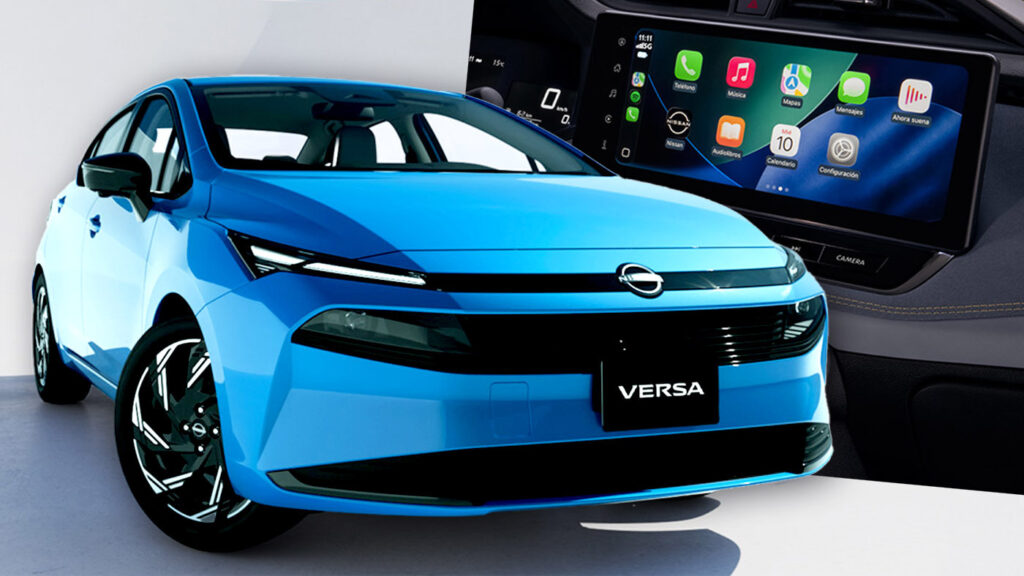
- Starting MSRP: $18,585
- 5-Year Depreciation: 24%
- 5-Year Total Cost of Ownership: $33,735
- Fuel Economy: 32 city / 40 hwy MPG
- FAVR Score: 7.7 / 10
The Nissan Versa is the lowest-MSRP vehicle on this list at $18,585. For FAVR purposes, the Versa's 24% five-year depreciation is excellent, and its 32/40 MPG fuel economy is among the best in the non-hybrid segment. The catch is that the IRS FAVR standard vehicle is often modeled as a mid-size sedan. Drivers in a Versa may receive a fixed rate calculated on a higher-value standard vehicle than their actual car, which can create a reimbursement surplus. That is not necessarily a problem, but it is worth modeling with your FAVR administrator.
#6 - Kia K4
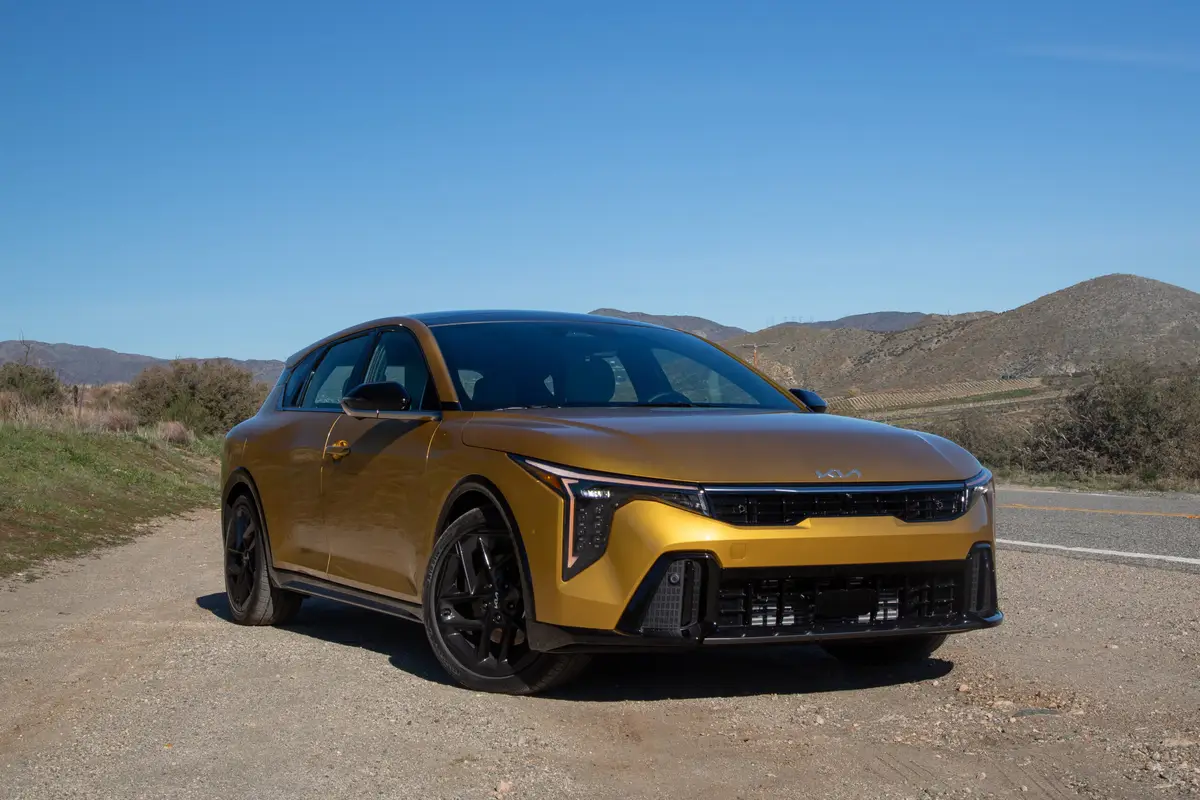
- Starting MSRP: $23,535
- 5-Year Depreciation: 31%
- 5-Year Total Cost of Ownership: $33,333
- Fuel Economy: 30 city / 40 hwy MPG
- FAVR Score: 7.8 / 10
The Kia K4 replaced the Forte in 2025 as Kia's entry-level compact sedan, and it arrives with a significantly upgraded interior and a strong 30/40 MPG fuel economy rating. Its 31% five-year depreciation is the highest of the sedans in the top 10, which slightly reduces the fixed-rate efficiency under FAVR. However, Kia's 10-year/100,000-mile powertrain warranty is a meaningful advantage for FAVR drivers. Lower risk of unscheduled maintenance means the variable-rate component stays predictable, and drivers are less likely to face out-of-pocket repair costs that are not covered by the reimbursement.
#5 - Nissan Sentra
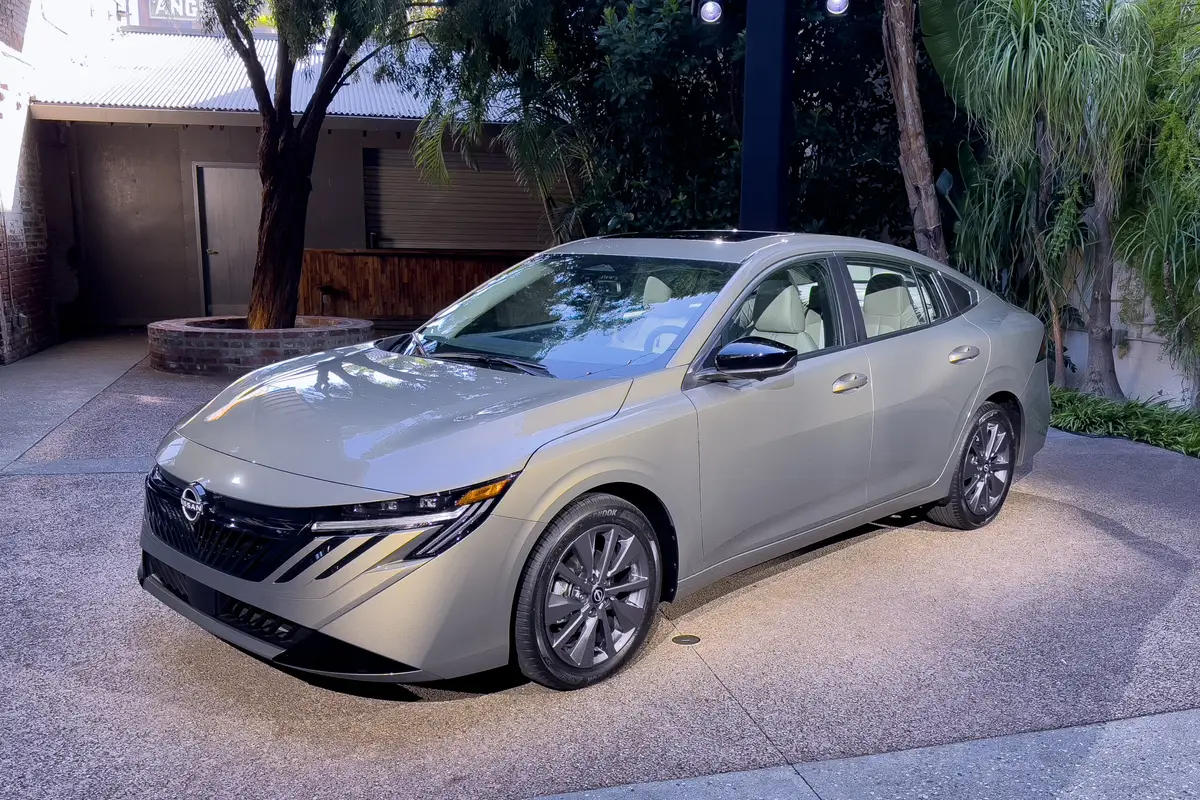
- Starting MSRP: $23,845
- 5-Year Depreciation: 26%
- 5-Year Total Cost of Ownership: $32,875
- Fuel Economy: 29 city / 39 hwy MPG
- FAVR Score: 8.0 / 10
The all-new 2026 Nissan Sentra arrives with updated styling and a refreshed interior, and it continues to deliver one of the best depreciation profiles in the compact segment at 26% over five years. For FAVR programs, the Sentra's combination of low MSRP, strong depreciation retention, and 29/39 MPG fuel economy makes it a well-rounded choice. It trails the Civic slightly on reliability scores, which can affect the variable-rate component over a multi-year FAVR program, but for drivers in their first two to three years of a FAVR program, the Sentra is a compelling option.
#4 - Subaru Impreza
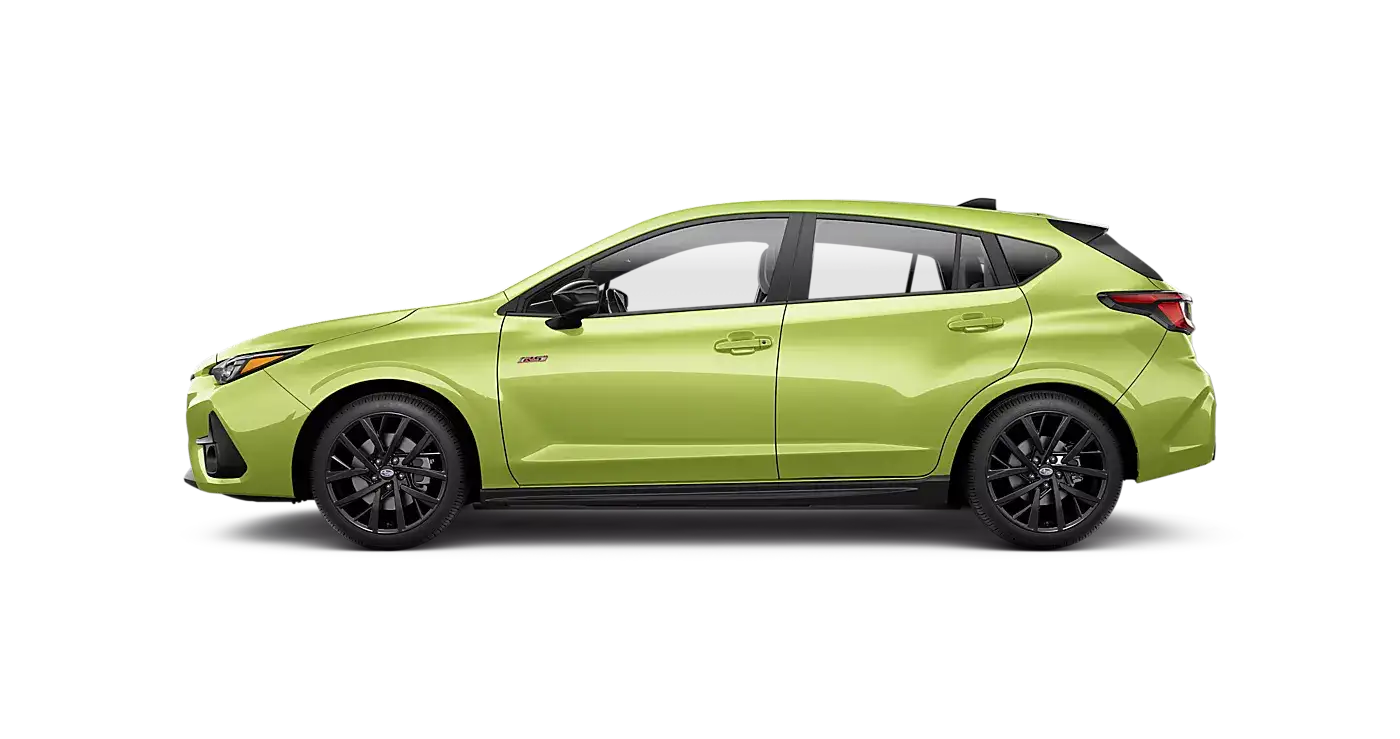
- Starting MSRP: $27,790
- 5-Year Depreciation: 26%
- 5-Year Total Cost of Ownership: $32,759
- Fuel Economy: 28 city / 36 hwy MPG
- FAVR Score: 8.2 / 10
The Subaru Impreza is the only vehicle on this list with standard all-wheel drive, which makes it particularly valuable for FAVR drivers in northern states or regions with significant winter weather. Under FAVR, the fixed rate is calculated by locality, meaning drivers in Minneapolis or Denver may see a higher fixed rate than those in Phoenix because insurance, registration, taxes, and operating costs vary by market. The Impreza's AWD capability means drivers in those high-rate markets can choose a vehicle that is genuinely appropriate for their conditions rather than compromising on safety to optimize reimbursement.
#3 - Honda Civic
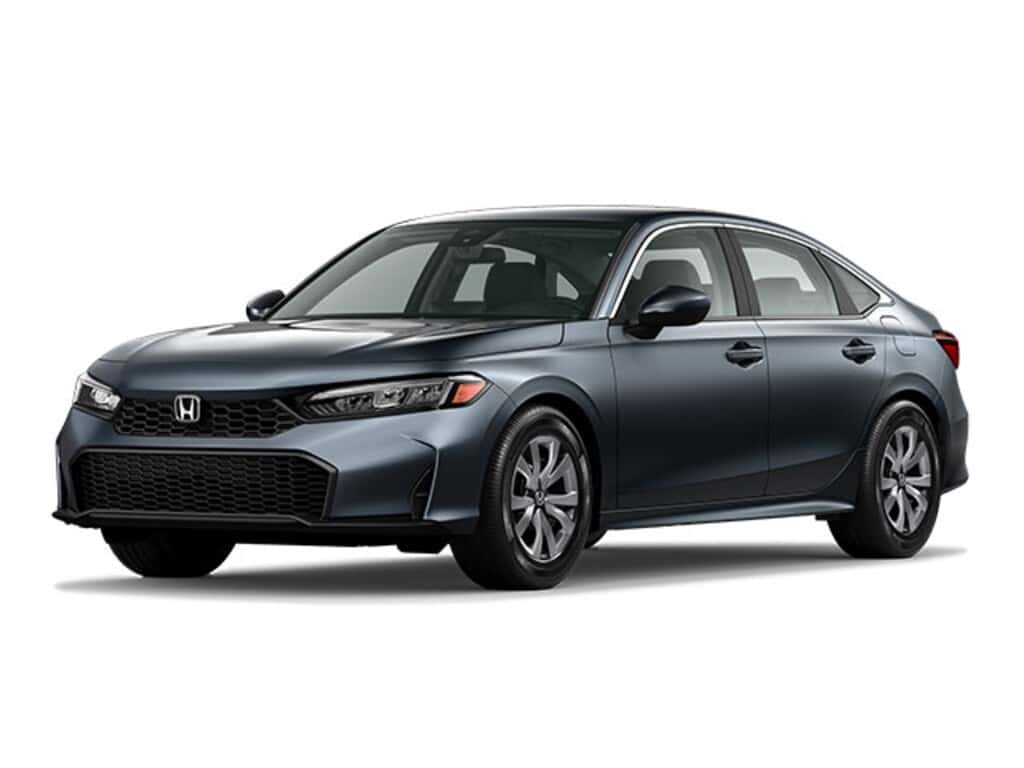
- Starting MSRP: $25,890
- 5-Year Depreciation: 24%
- 5-Year Total Cost of Ownership: $32,541
- Fuel Economy: 31 city / 40 hwy MPG
- FAVR Score: 8.5 / 10
Few vehicles have the long-term ownership reputation of the Honda Civic. Its 24% five-year depreciation is among the best on this list, and Honda's reliability record means the variable-rate component stays low and predictable across the full FAVR program term. The 31/40 MPG fuel economy is excellent for a non-hybrid sedan, directly benefiting high-mileage drivers where the variable rate is calculated on a per-mile basis. For FAVR programs that run on a four-year retention cycle, the Civic's combination of low depreciation, low insurance premiums, and low maintenance costs makes it one of the most efficient vehicles available.
#2 - Hyundai Venue
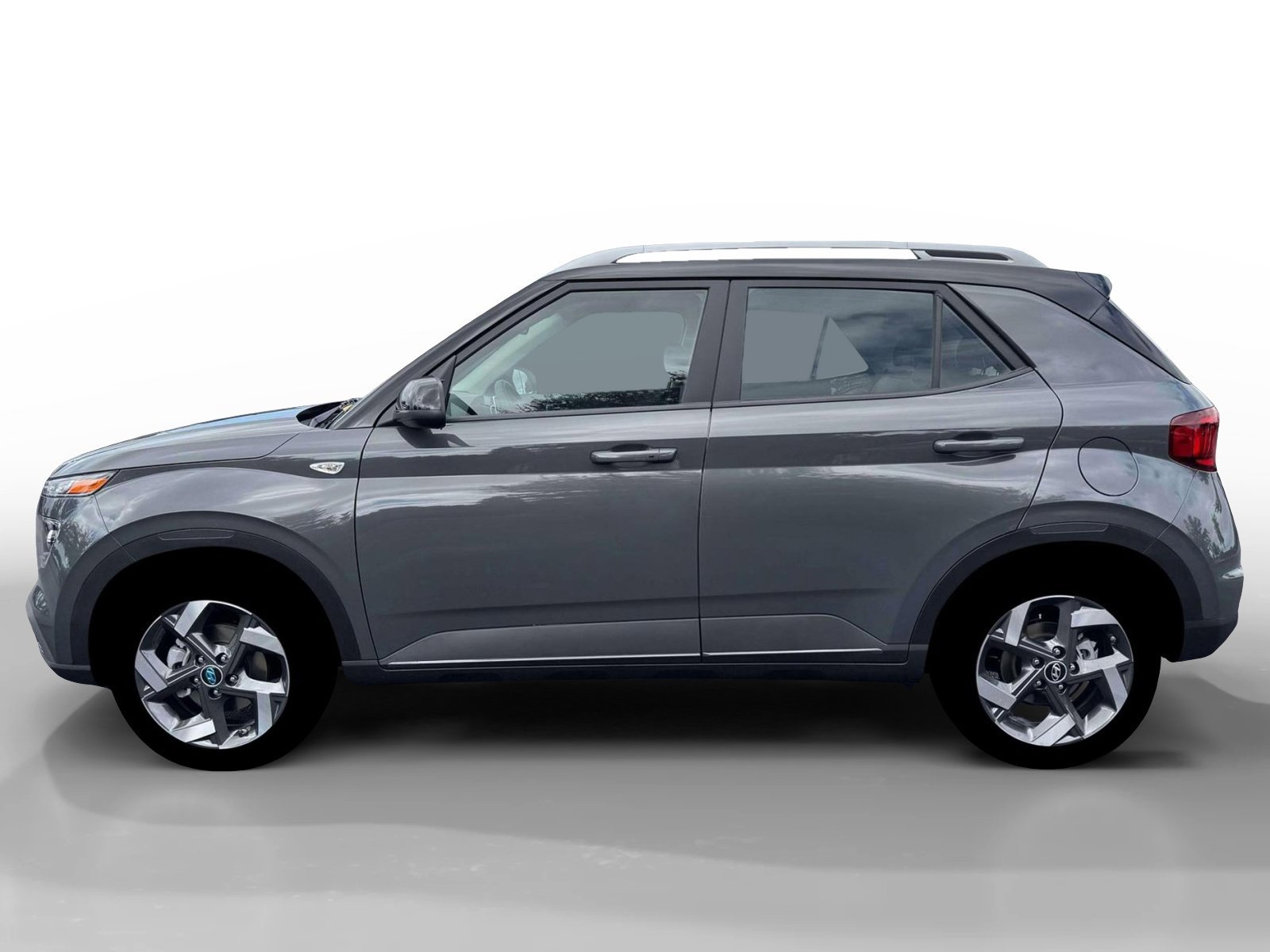
- Starting MSRP: $22,150
- 5-Year Depreciation: 26%
- 5-Year Total Cost of Ownership: $32,435
- Fuel Economy: 30 city / 33 hwy MPG
- FAVR Score: 8.7 / 10
With the Mitsubishi Mirage discontinued, the Hyundai Venue is one of the most affordable new cars in America in 2026. For FAVR programs, this creates a specific advantage: the IRS standard vehicle for many localities is priced higher than the Venue's MSRP, so a driver in a Venue may receive a fixed rate calculated on a more expensive standard vehicle. Combined with 26% five-year depreciation, low insurance premiums driven by its modest MSRP, and Hyundai's 10-year/100,000-mile powertrain warranty, the Venue is a remarkably efficient FAVR vehicle. Its main weakness is fuel economy: at 30/33 MPG, it trails the sedans on this list for high-mileage variable-rate efficiency.
#1 - Toyota Corolla Hatchback
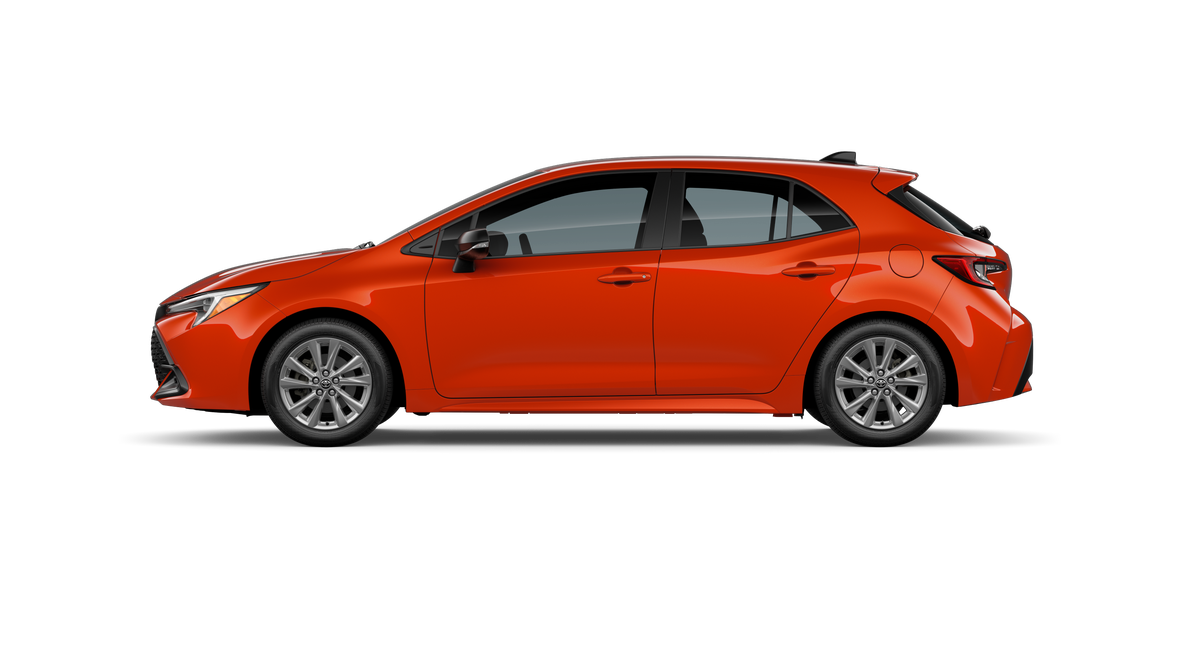
- Starting MSRP: $26,560
- 5-Year Depreciation: 20%
- 5-Year Total Cost of Ownership: $30,541
- Fuel Economy: 32 city / 41 hwy MPG
- FAVR Score: 9.4 / 10
The 2026 Toyota Corolla Hatchback is the single best vehicle for maximizing FAVR reimbursement, and it is not particularly close. Its 20% five-year depreciation is the lowest on this list and among the lowest of any vehicle sold in the United States. Under FAVR, where the fixed rate is calculated to cover depreciation of the standard vehicle in each locality, a driver in a Corolla Hatchback retains significantly more vehicle value than the standard vehicle assumes, creating a structural efficiency advantage over the full program term.
The 32/41 MPG fuel economy is the strongest of any non-hybrid on this list, directly benefiting high-mileage drivers where the variable rate is calculated on a per-mile basis. Toyota's maintenance record is among the best in the industry, keeping unscheduled repair costs low across the four-year retention cycles many FAVR programs use. At $26,560, the MSRP is also competitive enough to keep insurance premiums in a lower tier in many localities.
For FAVR program administrators, the Corolla Hatchback is also easy to recommend to drivers: it is widely available, well-reviewed, and has a resale market that supports its depreciation projections year after year. If your goal is to maximize tax-free reimbursement while minimizing program cost to the company, the Toyota Corolla Hatchback is the benchmark.
How FAVR Reimbursement Works and Why Vehicle Choice Matters
Under a FAVR program, reimbursement is split into two components. The fixed rate covers costs that do not change with mileage: depreciation, insurance, registration, and personal property taxes. The variable rate covers costs that scale with miles driven: fuel, maintenance, and tires. Both rates are calculated using a standard vehicle for the employee's locality and are paid tax-free when the program is IRS-compliant.
The vehicle a driver chooses affects reimbursement in two ways. First, if actual vehicle costs are lower than the modeled standard vehicle costs, the driver can capture the full fixed rate while incurring lower actual costs. Second, fuel economy directly affects how efficiently the driver captures the variable rate. A driver doing 20,000 miles per year in a 41 MPG vehicle spends significantly less on fuel than one in a 28 MPG vehicle while receiving a rate based on the program's modeled assumptions.
Kliks' FAVR platform calculates rates using driver location, vehicle policy, cost inputs, and program rules so teams can understand how vehicle selection affects both driver experience and company cost.
The Bottom Line
Choosing the right vehicle for a FAVR program is one of the few decisions that can benefit both the driver and the company simultaneously. Drivers in low-depreciation, fuel-efficient vehicles may keep more of their reimbursement as actual costs stay below modeled assumptions, while companies benefit from a clearer, more defensible standard vehicle strategy.
The vehicles on this list, led by the Toyota Corolla Hatchback, represent the best intersection of IRS standard vehicle compatibility, depreciation efficiency, and fuel economy available in 2026.
If you are evaluating a FAVR program for your company, or looking to optimize an existing one, schedule a demo with Kliks to see how vehicle selection affects your total program cost in your specific localities.
Editorial note
This article was prepared for finance, HR, and operations leaders evaluating vehicle reimbursement programs. It is educational content, not tax or legal advice; confirm policy changes with qualified advisors.